
Ink, Paper & Pressure: Why No Two Photogravures are Identical
Photogravure printing is not a simple image reproduction process. It is a physical interaction between ink, paper, and pressure that results in a unique print every pull, even if the same plate is used to create multiple impressions.
Each print is created by pushing damp paper deep into the etched surface of a plate so that ink held in microscopic recesses transfers to the paper fibers. The process is tactile, mechanical, and intensely sensory, creating a final print with exquisite detail and dimension. This article describes the nuances of how the photogravure process preserves the delicate transitions between highlights, midtones, and shadows in a photographic image.
The Sensory Experience of Printmaking
The photogravure process engages more than just the sense of sight, which is one of the great appeals of this hand-crafted method. Printmakers often describe the studio experience as deeply sensory, with elements like the smell of oil-based intaglio ink, the texture of damp cotton paper, the feel of wiping the plate by hand, and the sound of the press rollers turning.
These physical interactions are part of what connects the printmaker to centuries of printmaking tradition, keeping this almost forgotten art form alive.
How the Sense of Touch Impacts the Print
Photogravure is highly sensitive to subtle changes in pressure. If the pressure is too light, the paper cannot reach the plate recesses and won’t pick up enough ink to show the intricate details of the image. Without the desired level of ink to represent the shadows and tonal depth, the image may appear incomplete. If too much pressure is applied, the paper fibers may distort the actual image. This can also result in excess inking, creating too much tone or deeper blacks than intended by the artist.
Finding the perfect balance of pressure during the press is a critical part of the craft, developed through experience. Learn more about the intricate photogravure process and how photogravure prints are made.
Why Are There Micro-Variations in Every Print?
Because each photogravure is individually inked and wiped by hand, no two prints are ever perfectly identical. Small variations can occur in elements like plate tone, ink density, wiping patterns, and pressure applied, and even the dampness of the paper.
While some may view these differences as flaws, artists value these variations as part of the beauty of traditional printmaking. Any artisanal product created by hand must be appreciated for its uniqueness and the ability of the creator to handcraft a product typically mass-produced by machines. Photogravure prints achieve a richness, subtlety, and tactile presence rarely achieved by modern methods. For collectors and photographers alike, photogravure remains the gold standard for photographic reproduction.
Plate Wear and the Evolution of an Edition
As mentioned previously, plates may be used multiple times to create impressions of the same image. Over time, even the printing plate itself changes slightly. As prints are pulled, the plate surface gradually wears, subtly altering how ink is held in the etched recesses. Early impressions may have slightly different characteristics than later ones, creating a natural evolution within a print edition. This is one of the reasons prints are numbered, to reflect the order in which they were printed and pulled from the plate.
Collectors often find these variations fascinating, as they reflect the living process behind the artwork. Photogravure prints are limited editions, which increases the collectible value of the artwork over time. Artists typically sign and number each print, which helps establish authenticity and rarity.
Collecting Photogravure Fine Art Prints
For collectors, photogravure prints represent one of the most refined forms of fine art photography printing. Each print is individually hand-pulled using the traditional intaglio print process. Photogravures are artisanal photographic prints, highly desirable for collectors seeking museum-quality artwork.
Collectors value photogravure for its exceptional tonal depth in black and white photography, a classic style for collectors. The handcrafted photography prints use archival materials designed to last for generations, resulting in limited edition, signed photography prints rather than mass-produced prints.
If you are interested in owning one, please explore available pieces in my online photogravure print collection or schedule an in-person visit to my downtown Denver gallery.
Featured Photogravure Print
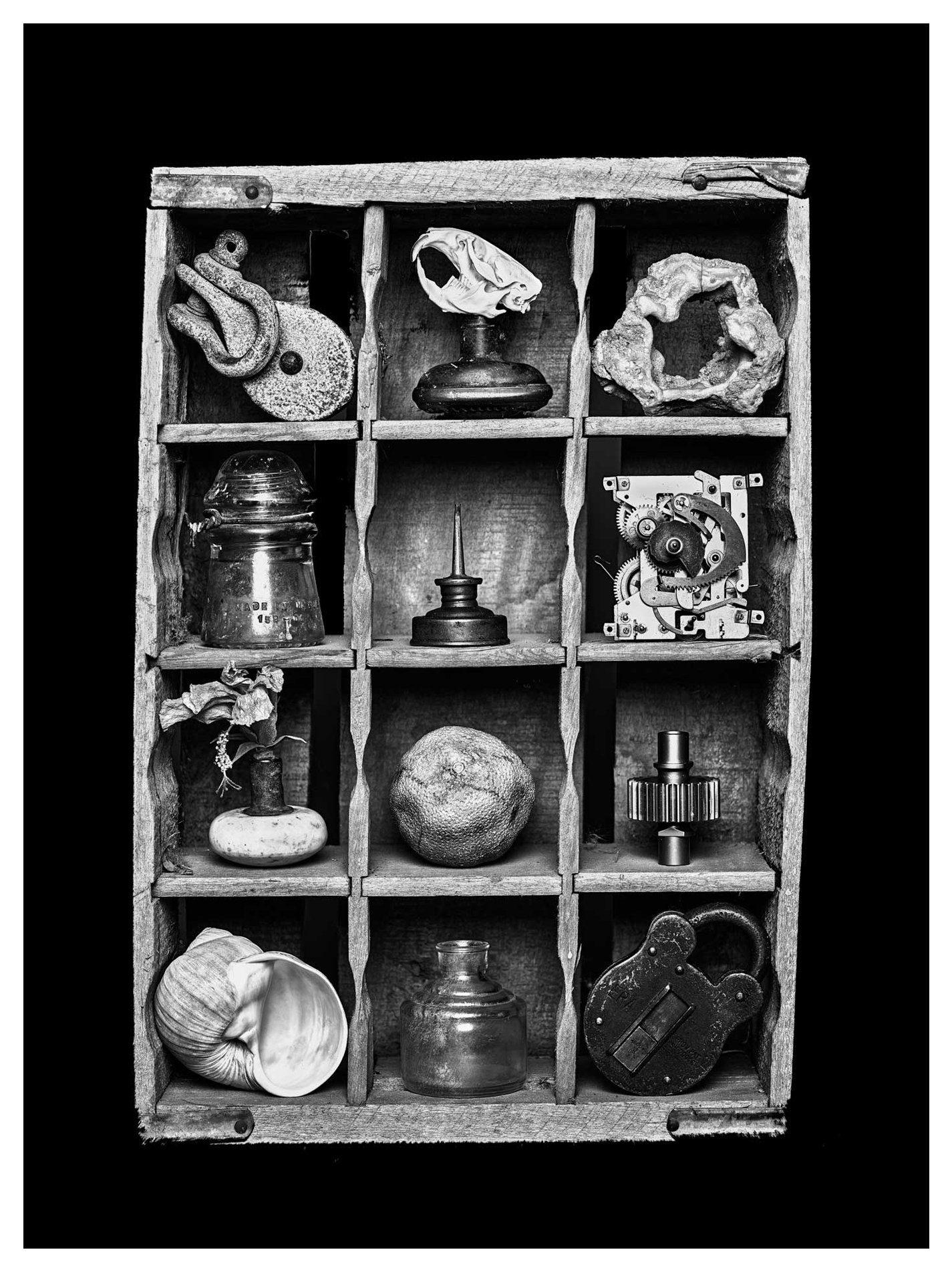
This started with an old 7UP crate, followed by the addition of unrelated objects that I find interesting on their own. My favorite item is the orange that I found in the back of my locker at the end of my 11th grade year. I guess this is the reason I kept it all these years.