

How to Choose a Fine Art Photography Print for Your Home
Choosing fine art photography for your home isn't simply about filling an empty wall. The right photograph can change the feeling of a room, create a focal point, and become a topic of conversation.
But with so many photographs, sizes, printing processes, and framing options available, how do you choose? I’d suggest you start with the artwork rather than the décor. The best choice is a photograph that speaks to you first and complements your space second.
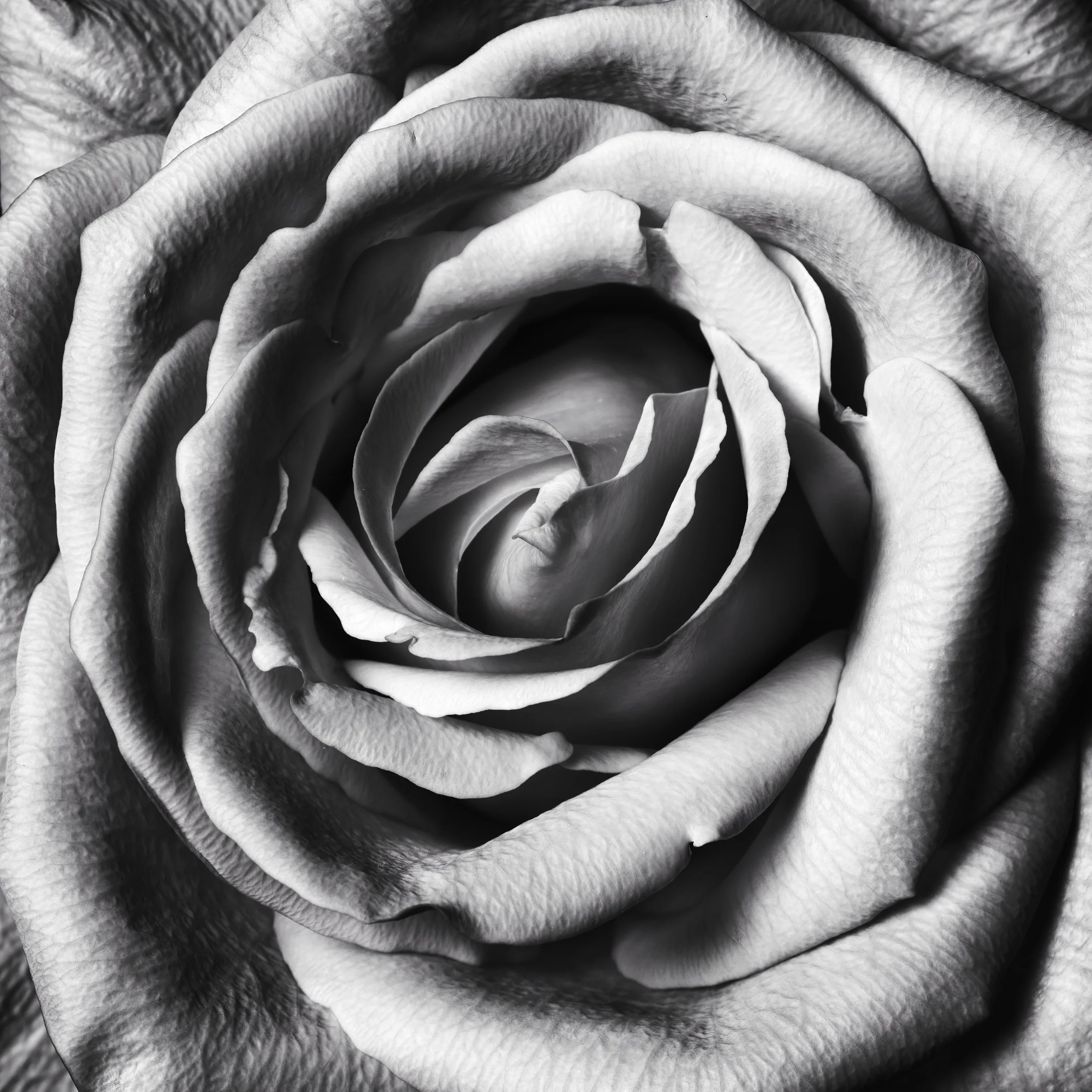
What Makes Art Worth Collecting?
It's tempting to think the answer lies squarely in the things we can measure. The artist's reputation. The size of the edition. The printing process and the materials. The rarity of the work. Those things certainly influence the marketplace, and for good reason. The art market places value on artists who have demonstrated originality, consistency, craftsmanship, and the ability to create work that collectors continue to seek over time. Gallery representation, museum exhibitions, awards, critical recognition, and a strong collector base all contribute to an artist's market value.
But I've never believed the market tells the whole story.
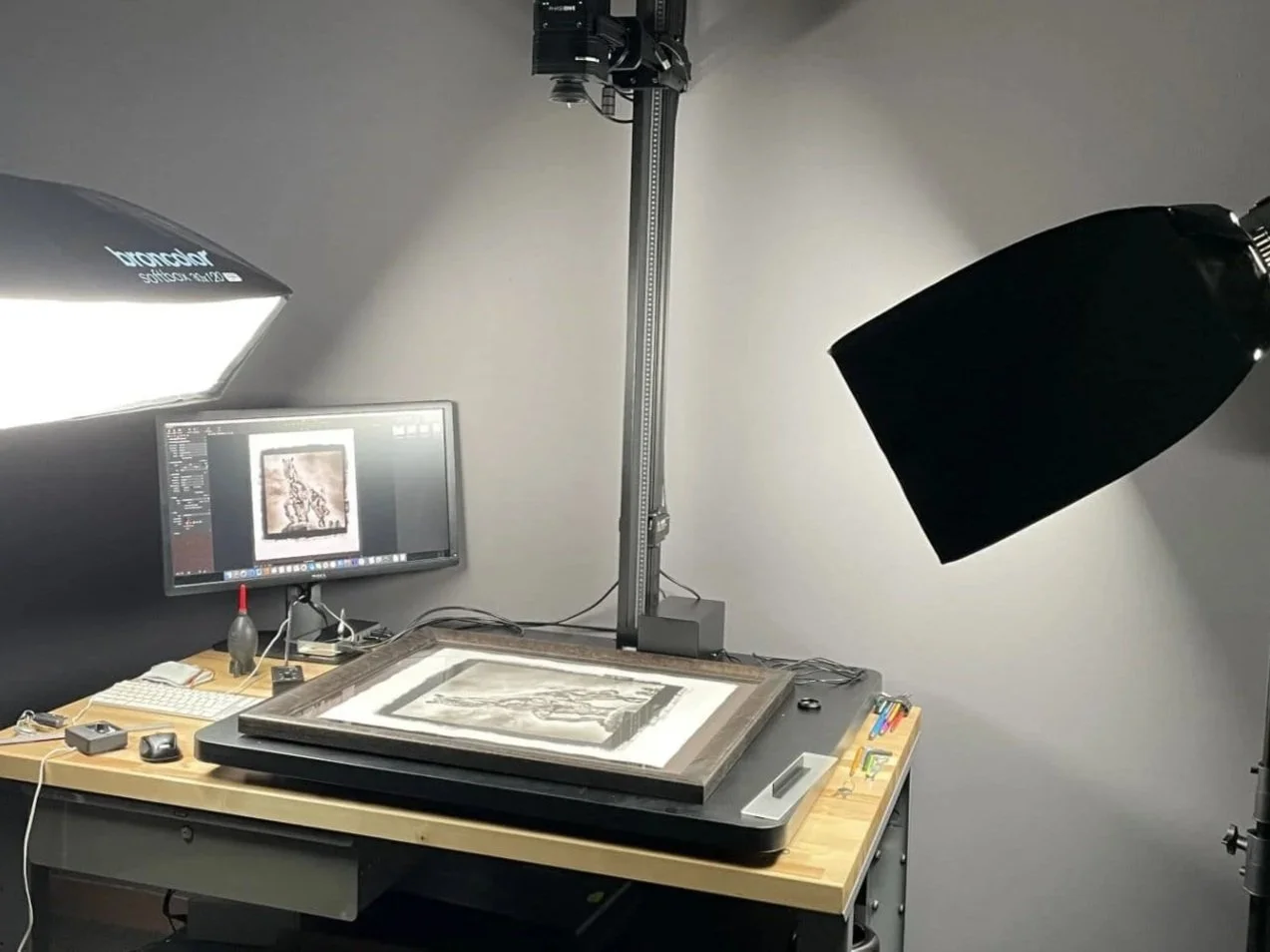
The Complete Guide to Photogravure: Materials, Methods and Mastery
Explore the photogravure process as a premium example of timeless, hand-crafted prints. Discover what makes a photography print museum quality, including archival materials, fine art printing methods, and collectible limited editions.
Photogravure is an intaglio printing process that etches an image into a plate. Ink sits in microscopic recesses and is pressed into damp paper using a traditional press, creating a unique print with exceptional tonal depth and longevity.

Legacy in Every Print: The Archival Quality of Photogravure
One of the defining qualities of photogravure is its extraordinary longevity - it is created to last for generations. When produced with archival materials, photogravure prints can last well over a century, making them highly valued by collectors, museums, and archives.
This durability is not accidental. It is the result of materials and techniques developed long before disposable printing technologies existed.