
What Makes Art Worth Collecting?
I've often been asked what makes a piece of art worth collecting. It's an interesting question, because people are rarely asking about the image itself. More often, they're wondering why one print becomes something a person treasures while another simply fills an empty space on a wall.
What makes artwork valuable?
It's tempting to think the answer lies squarely in the things we can measure. The artist's reputation. The size of the edition. The printing process and the materials. The rarity of the work. Those things certainly influence the marketplace, and for good reason. The art market places value on artists who have demonstrated originality, consistency, craftsmanship, and the ability to create work that collectors continue to seek over time. Gallery representation, museum exhibitions, awards, critical recognition, and a strong collector base all contribute to an artist's market value.
But I've never believed the market tells the whole story. The market establishes a price. It reflects what collectors, galleries, and institutions collectively believe a work is worth at a particular moment in time. Personal value is something entirely different.
I've come to believe that value begins with something much harder to quantify: connection.
The most meaningful works of art don't simply occupy space on a wall. They become part of the lives of the people who live with them. They greet you every morning as you walk through the house. They quietly become part of family gatherings, conversations, celebrations, and ordinary afternoons. Over time, the artwork stops feeling like something you purchased and starts feeling like something that belongs.
That's a very different kind of value.
I've stood in front of paintings in museums that are considered priceless. Some have moved me deeply. Others, despite their historical significance, left me admiring the craftsmanship more than feeling an emotional connection. That isn't a criticism of the work—it's simply a reminder that art speaks differently to each of us. The piece that changes one person's life may leave another quietly appreciative, and that’s perfectly fine.
I've also walked into someone's home and found myself captivated by a photograph that would never appear in an art gallery or auction catalog. Its value wasn't determined by the market. It was determined by the relationship the owner had built with it.
I think that's one of the beautiful things about collecting art. The market can establish a price, but ultimately the collector discovers what it’s worth to them. Collecting art is very personal.
Of course, craftsmanship matters. A thoughtfully made print, hand-crafted with archival materials and great care like a photogravure, is more likely to stand the test of time than something created for mass production. Limited editions also play an important role, not because scarcity alone creates value, but because they reflect an artist's commitment to the work. They acknowledge that a photograph is meant to be appreciated as a finished piece rather than endlessly reproduced. There is nothing wrong with reproductions; it’s just a different type of piece than a hand-crafted limited edition.
The artwork that stays with us is rarely the piece someone else told us we should buy, or one that commanded the highest price. It's the piece we can’t stop thinking about after we’ve walked away. The one that still catches our attention years later. The one that seems to grow alongside us, revealing something different as our lives evolve.
To me, that's what gives art its greatest value. Not simply the price someone is willing to pay for it, but its ability to remain meaningful long after it has found its place on the wall.
Collecting Photogravure Fine Art Prints
Because each print is individually created using traditional intaglio techniques, photogravures are limited edition, signed photography prints rather than mass-produced prints.
Collectors value photogravure for its exceptional tonal depth in black and white photography, a classic style for collectors. The handcrafted printing techniques use archival materials designed to last for generations, creating a collection of heirlooms to be passed down.
These qualities make photogravure prints highly desirable for collectors seeking museum-quality photography prints or heirloom artwork. If you are interested in owning one, please explore available pieces in my online photogravure print collection or schedule an in-person visit to my downtown Denver gallery.
Featured Photogravure Print
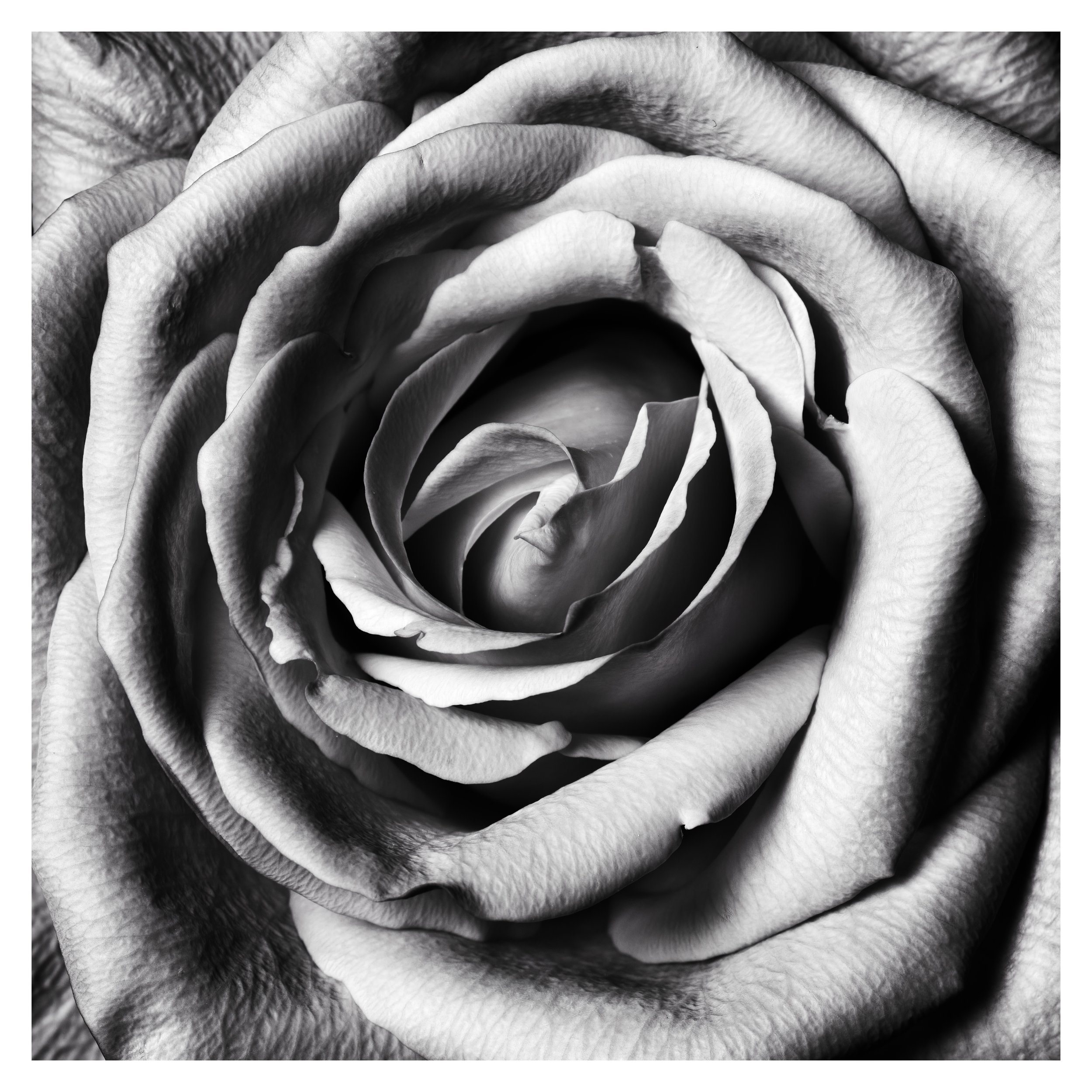
Photogravure 15”x15”
from $1500.00
Once you see the face, you can’t unsee it. Zoom in and you will see it’s simply a part of the flower. Crazy!