
Photogravure in Continuum: From Intaglio Roots to Modern Fine Art
Photogravure is part of the long-standing tradition of intaglio printmaking, a process in which images are created from recessed lines etched into a plate. This method, which dates back centuries, includes techniques such as engraving, etching, and aquatint—approaches used by some of the most influential artists in history, including Rembrandt.
At its core, intaglio printmaking is defined by craftsmanship, precision, and material depth. Each image is carefully transferred onto a plate, inked by hand, and pressed into paper, creating rich tonal variation and a distinctive tactile quality. These characteristics have made intaglio one of the most respected and enduring forms of fine art printmaking.
The photogravure process maintains the essential qualities of intaglio printmaking:
Deep, continuous tonal range
Subtle textures and detail
A physical, ink-on-paper finish
A handcrafted, artisanal process
Because of this, photogravure is widely regarded as one of the most refined ways to produce museum-quality photographic prints.
Photogravure was nearly a lost art form due to the complexity and effort required to produce it. Fortunately, dedicated printmakers and artists preserved the technique through generations to ensure the photogravure process would live on.
Pioneers and Practitioners of Photogravure
Alvin Langdon Coburn was one of the earliest photographers to fully realize the artistic potential of photogravure, helping elevate it from a reproductive technique into a respected fine art medium. Working in the early 20th century, Coburn used photogravure to produce richly tonal, atmospheric images that emphasized mood, abstraction, and composition, demonstrating how photography could align with the traditions of intaglio printmaking.
His work was closely connected to Alfred Stieglitz, a central figure in the Photo-Secession movement who championed photography as a legitimate art form. Through publications like Camera Work, which frequently featured high-quality photogravures, Stieglitz provided a platform for Coburn’s work, helping to solidify both the medium and the artist within the canon of fine art photography.
Irving Penn reaffirmed the relevance of photogravure in the modern era, bringing the process into dialogue with contemporary photography. Known for his refined compositions and attention to detail, he used photogravure to translate his images into richly textured, ink-on-paper prints with exceptional tonal depth. His work showed that even in an age of advanced technologies, traditional photogravure printmaking could offer a level of material presence and visual nuance that modern processes often lack, bridging historical technique with contemporary artistic practice.
The work of Coburn, Stieglitz, and Penn demonstrated that historical processes could still inspire modern innovation. While modern photography is often digital and instantaneous, photogravure offers a deliberate, hands-on alternative rooted in tradition. It represents a bridge between past and present—bringing together historical printmaking techniques with contemporary photographic imagery.
For collectors, artists, and galleries, photogravure stands out as a process that preserves the authenticity, permanence, and artistic integrity of both photography and printmaking.
Collecting Photogravure Fine Art Prints
For collectors, photogravure prints represent one of the most refined forms of collectible photography prints. Each print is individually hand-pulled using the intaglio printmaking tradition, creating a unique piece of history with every reveal. Photogravure prints are highly desirable for collectors seeking museum-quality artwork that also captures the spirit of the slow art movement.
Collectors value photogravure for its exceptional tonal depth in black and white photography, a classic style for collectors. The handcrafted photography prints use archival materials designed to last for generations, resulting in limited edition, signed photography prints rather than mass-produced prints.
If you are interested in owning one, please explore available pieces in my online photogravure print collection or schedule an in-person visit to my downtown Denver gallery.
Featured Photogravure Print
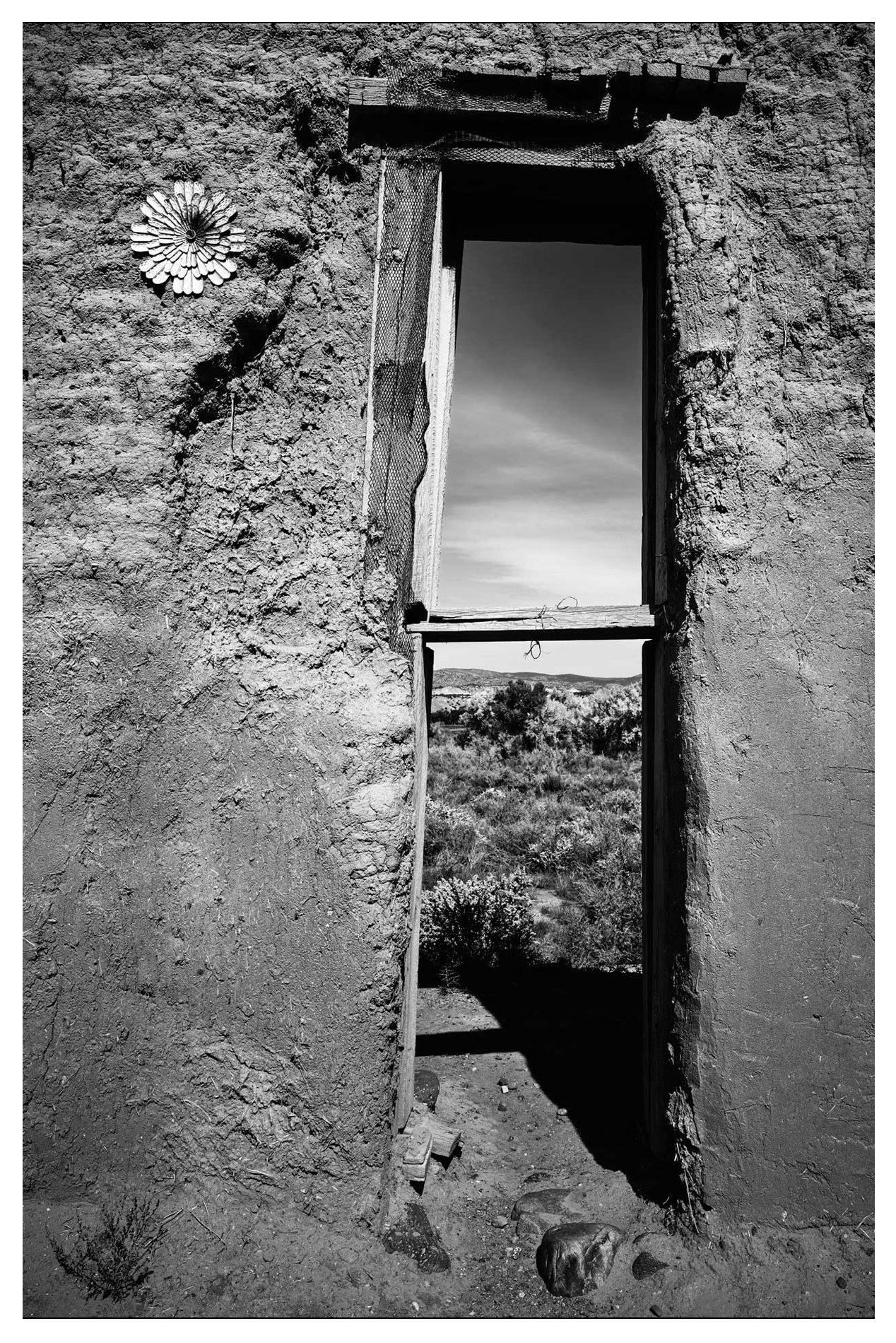
I’m drawn to churches in any condition. This one outside of Los Alamos, New Mexico worked me like a magnet. I stood there and imagined the many partitioners that had looked out that window, at this same view. I like that it’s now memorialized.