
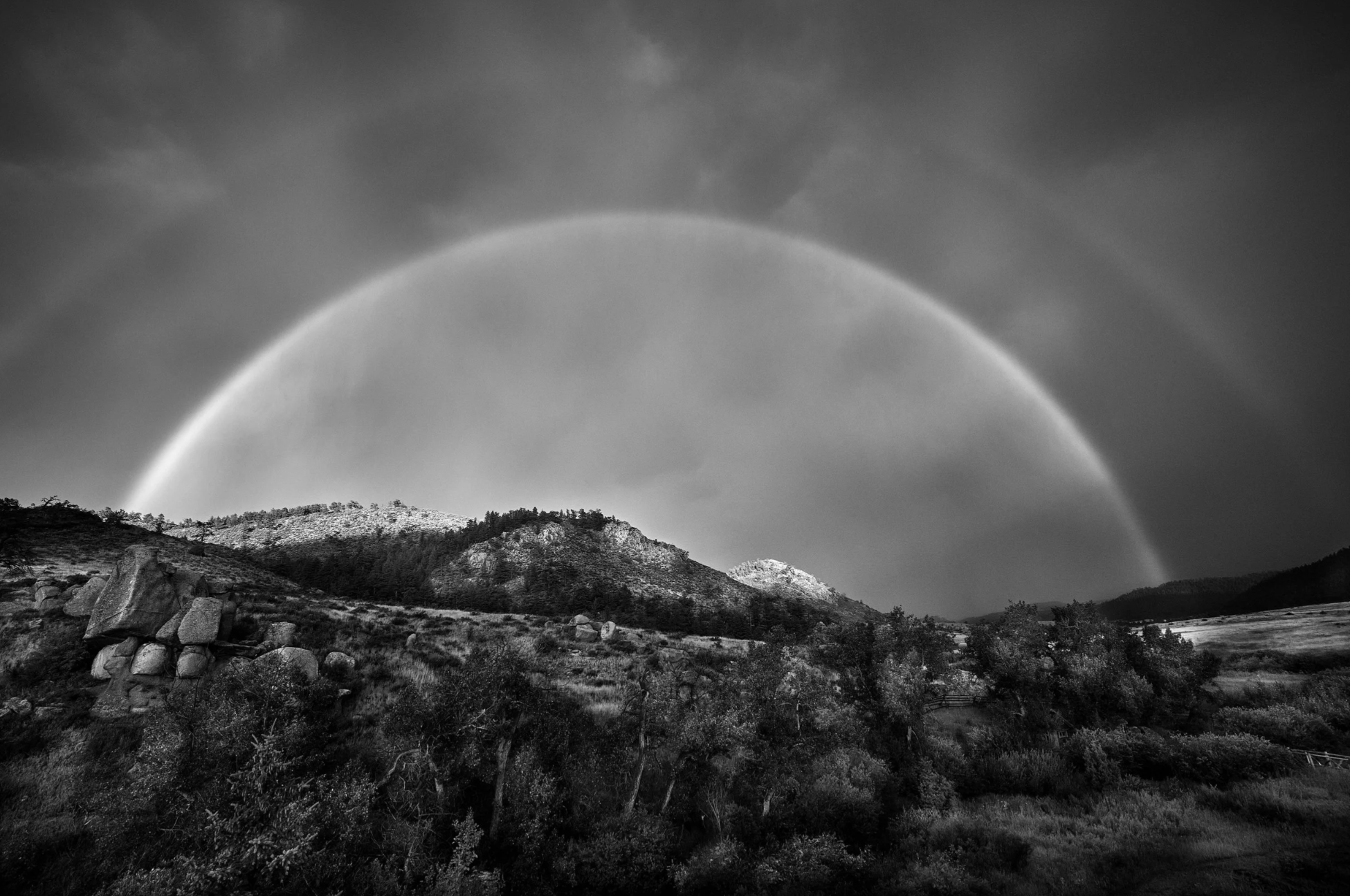
How to Choose a Fine Art Photography Print for Your Home
Choosing fine art photography for your home isn't simply about filling an empty wall. The right photograph can change the feeling of a room, create a focal point, and become a topic of conversation.
But with so many photographs, sizes, printing processes, and framing options available, how do you choose? I’d suggest you start with the artwork rather than the décor. The best choice is a photograph that speaks to you first and complements your space second.
Getting to Know Jeff Puckett: Photographer, Printmaker & Aviator
For the first time, Jeff Puckett shares the stories, inspiration, and experiences that have shaped his life as a photographer, printmaker, and aviator. In this candid conversation, Jeff talks about his approach to seeing, the unexpected moments that inspire his photographs, and the craft behind transforming those photographs into hand-pulled fine art prints.
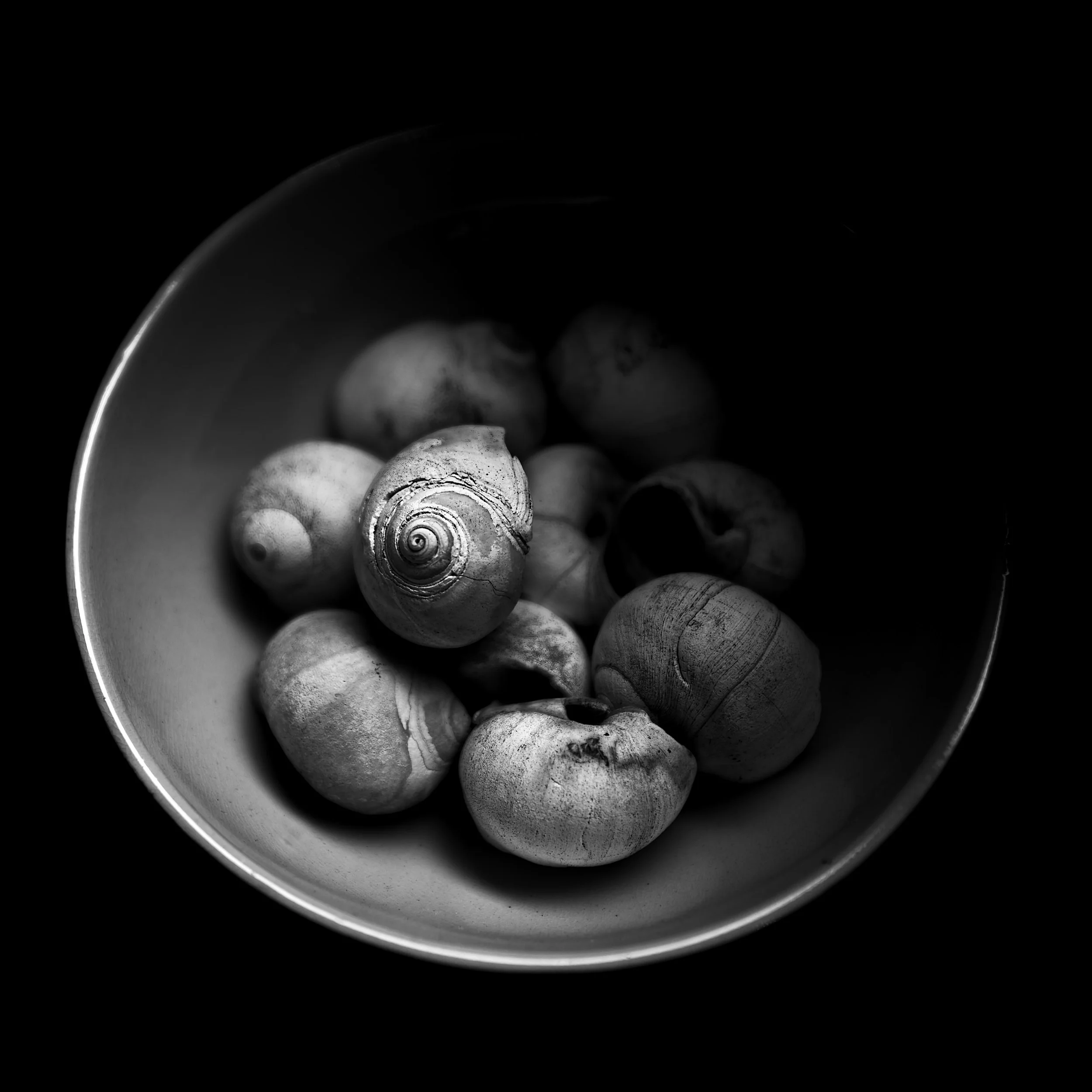
What Makes Art Worth Collecting?
It's tempting to think the answer lies squarely in the things we can measure. The artist's reputation. The size of the edition. The printing process and the materials. The rarity of the work. Those things certainly influence the marketplace, and for good reason. The art market places value on artists who have demonstrated originality, consistency, craftsmanship, and the ability to create work that collectors continue to seek over time. Gallery representation, museum exhibitions, awards, critical recognition, and a strong collector base all contribute to an artist's market value.
But I've never believed the market tells the whole story.
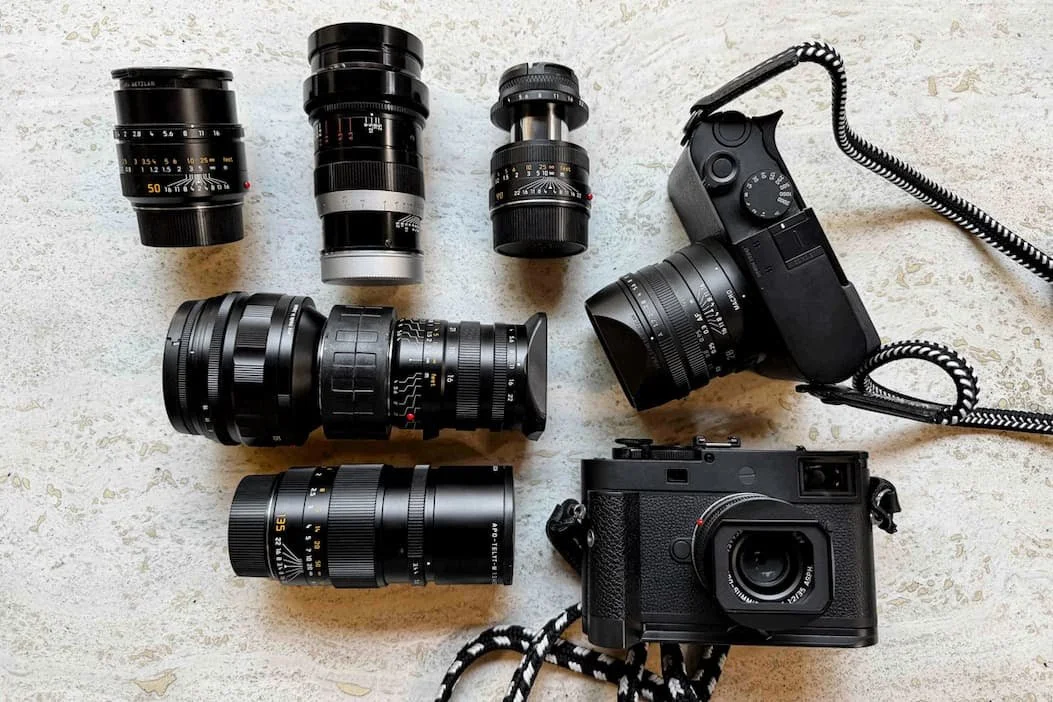
Great Photographs Begin with Vision: Developing Your Photographic Eye
Ask someone how to become a better photographer, and you'll likely hear recommendations for a new camera, a sharper lens, or the latest editing software. While a quality kit is certainly helpful (check out my Leica kit recently featured on the Red Dot Forum Camera Talk), the most important piece of equipment is often overlooked. And it’s free. Learn how to develop your photographic eye in this post.
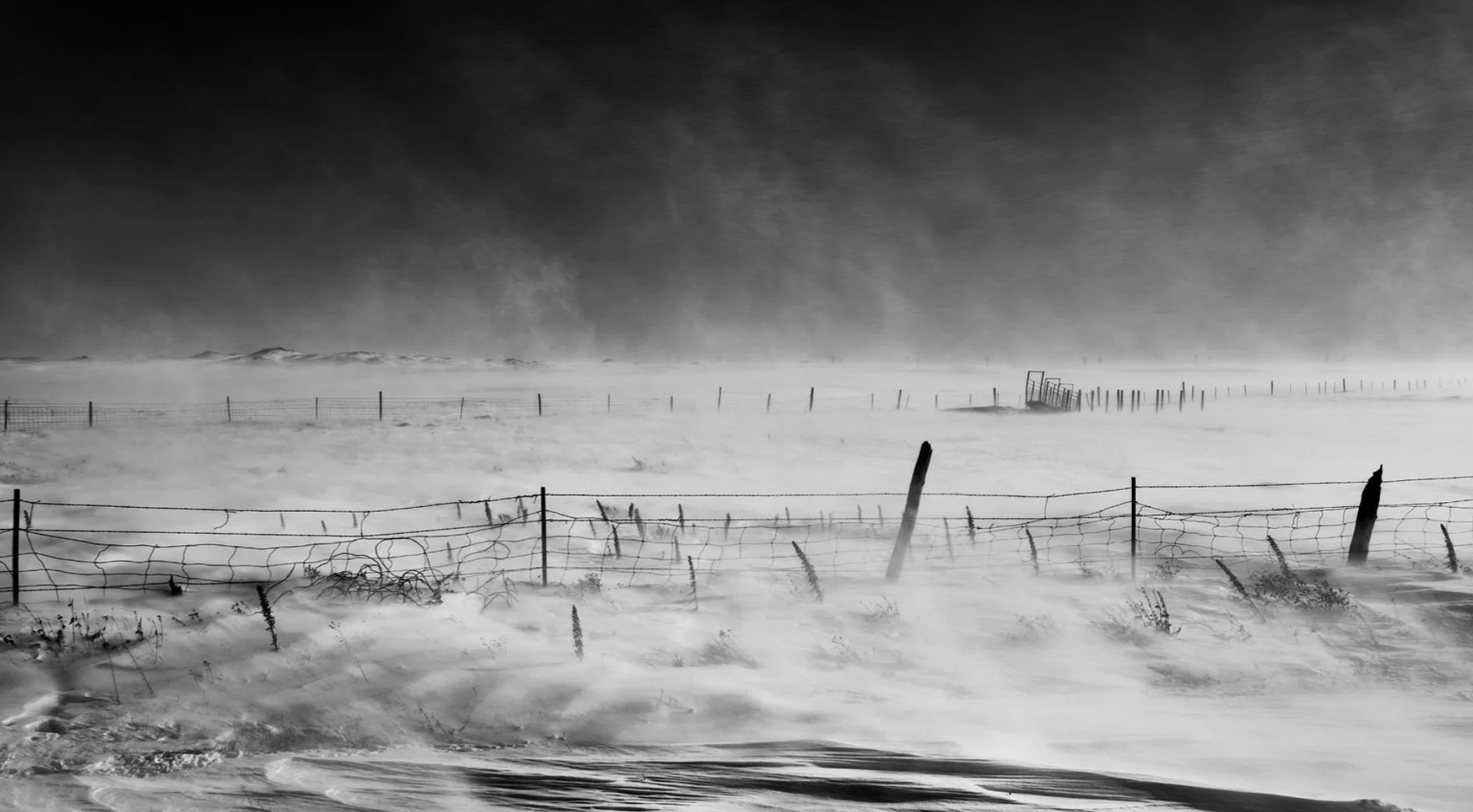
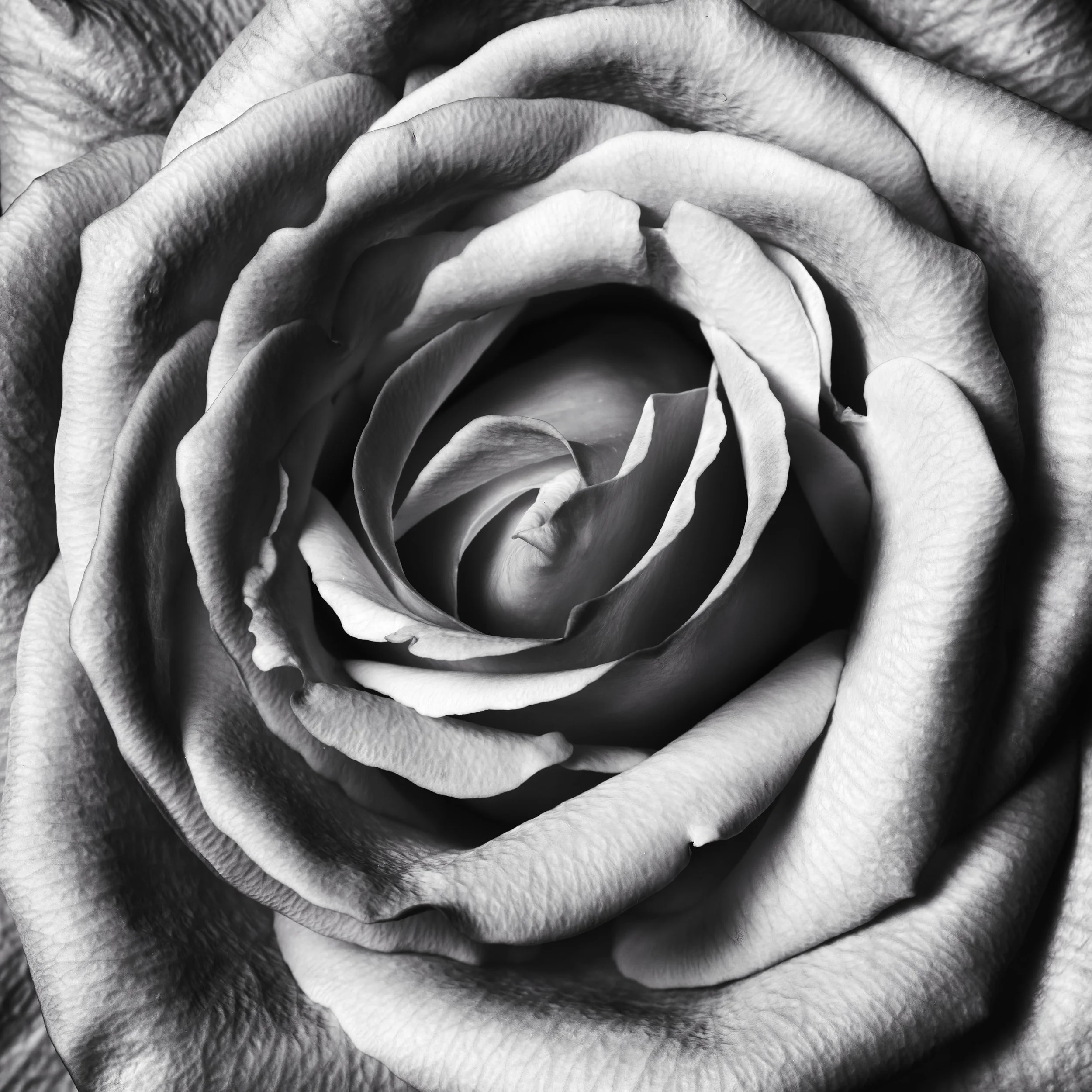
The Art of Seeing Beyond Color
For me, black and white photography is not only about nostalgia. It’s about clarity and the beauty of the finer, perhaps more obscure, details. When color is removed, the viewer is invited to experience a photograph differently and more deeply. With photogravures, the intensity and saturation of the ink pressed into the paper creates a final black and white print with exquisite detail and dimension.
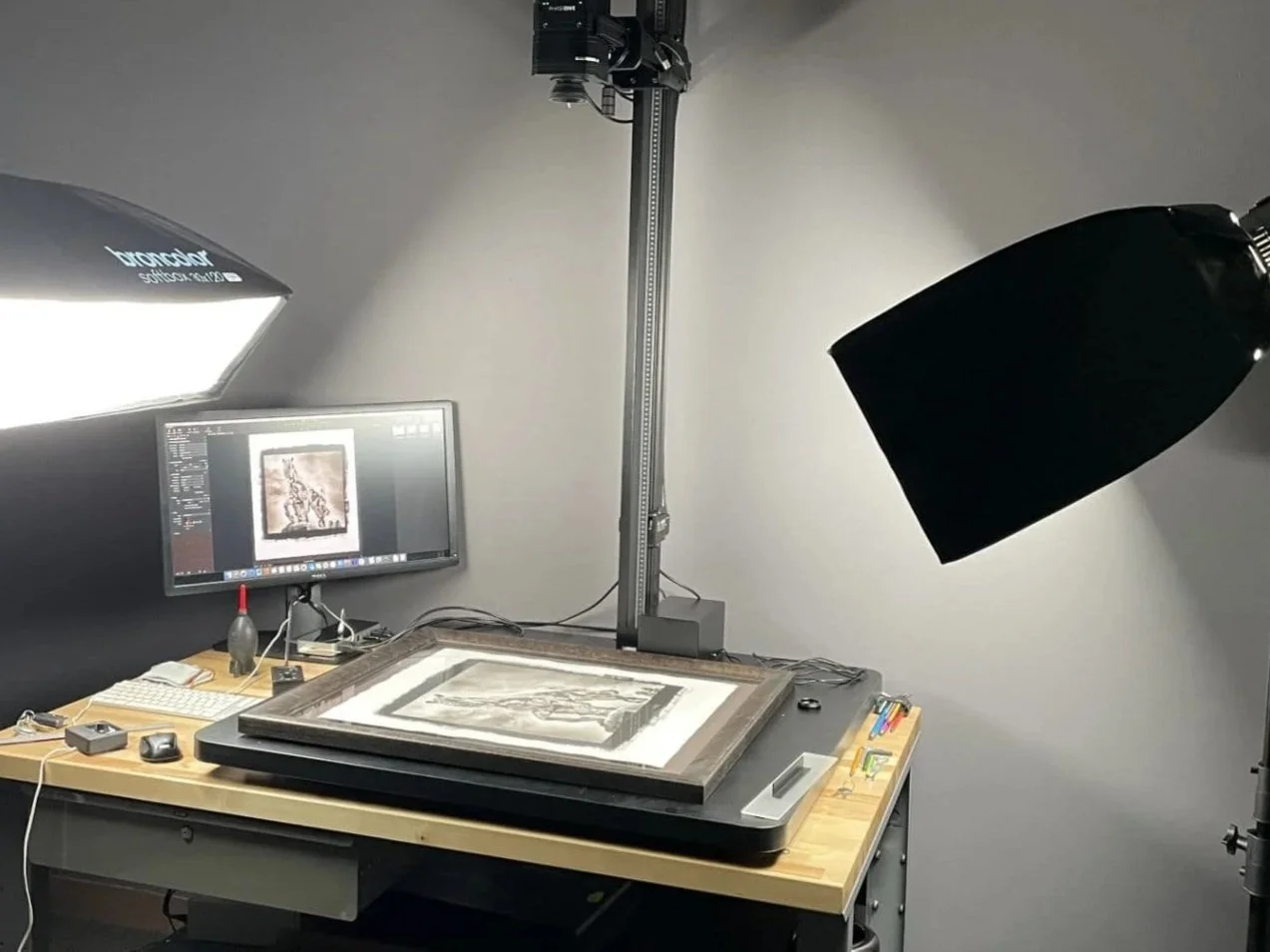
The Complete Guide to Photogravure: Materials, Methods and Mastery
Explore the photogravure process as a premium example of timeless, hand-crafted prints. Discover what makes a photography print museum quality, including archival materials, fine art printing methods, and collectible limited editions.
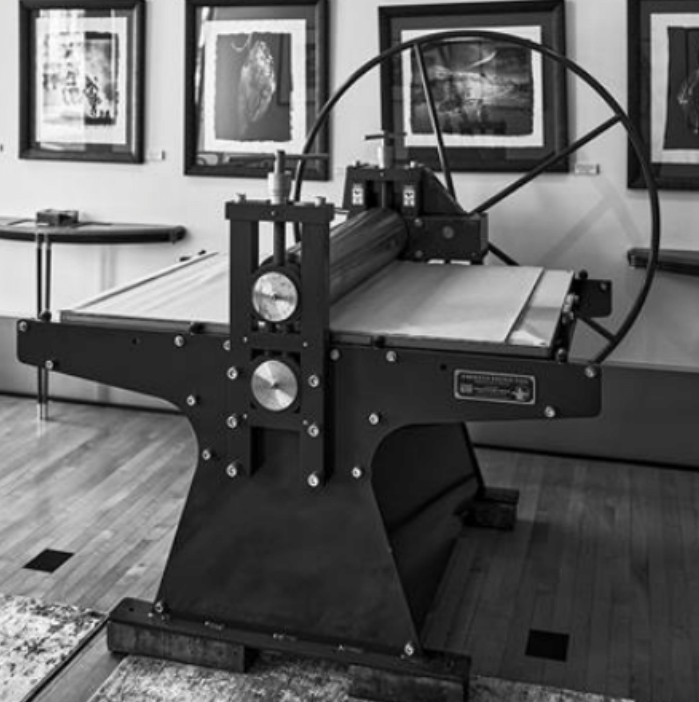
Photogravure is an intaglio printing process that etches an image into a plate. Ink sits in microscopic recesses and is pressed into damp paper using a traditional press, creating a unique print with exceptional tonal depth and longevity.
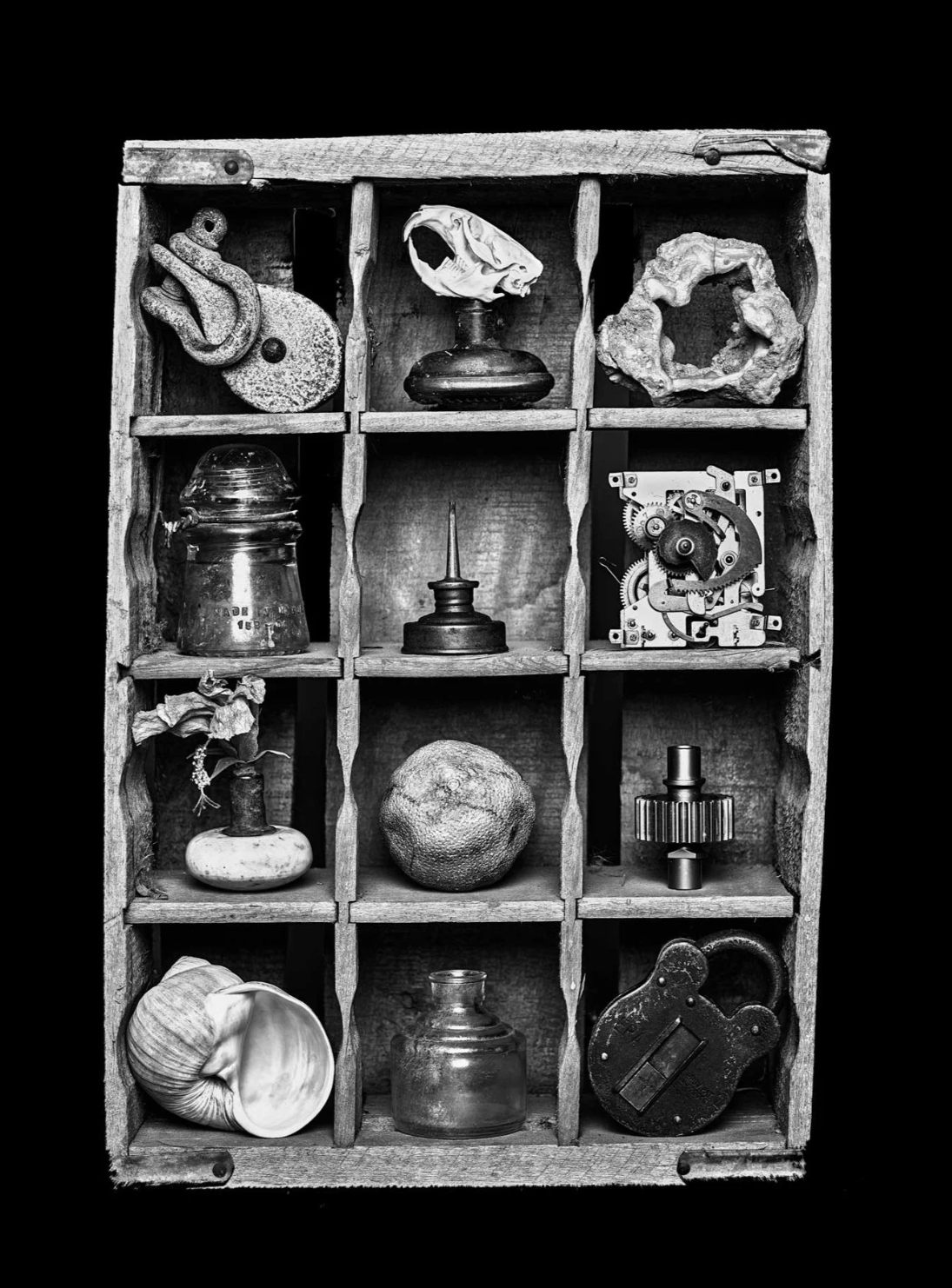
Ink, Paper & Pressure: Why No Two Photogravures are Identical
Photogravure printing is not a simple image reproduction process. It is a physical interaction between ink, paper, and pressure that results in a unique print every pull, even if the same plate is used to create multiple impressions. The process is tactile, mechanical, and intensely sensory, creating a final print with exquisite detail and dimension.
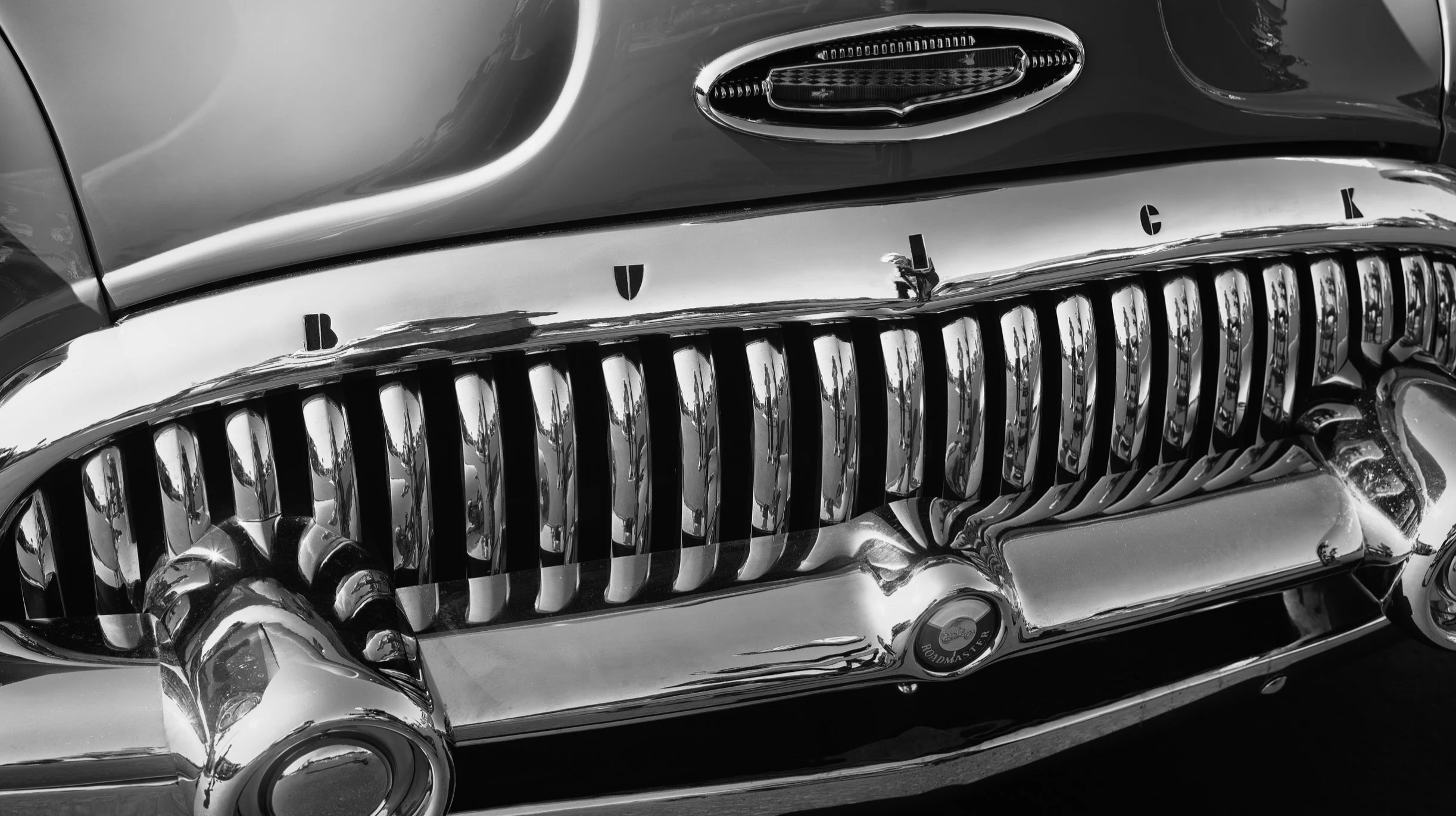
From Photograph to Plate: How Photogravure Prints are Made
The beauty of photogravure lies not only in the finished print but in the complex process that transforms a photograph into an etched printing plate. Unlike digital printing, photogravure requires a careful combination of image preparation, plate exposure, chemistry, hand inking, and press printing. Each stage demands precision, patience, and experience.
Photogravure: The Gold Standard in Fine Art Photographic Printing
Photogravure is one of the most refined and respected methods of traditional photographic printing. Unlike modern digital prints, a photogravure is created through a physical printing process where ink is held inside microscopic recesses in a plate and pressed into dampened paper under immense pressure. The result is a print that possesses richness, subtlety, and tactile presence rarely achieved by modern methods.